UK ↔ EU ↔ UK Non-Commercial Pet Travel Rules
Non-Commercial Pet Travel Between the UK and the EU
Non-commercial pet travel applies when a pet travels with its owner, or with an authorised person, and the journey is not connected to sale, adoption, rescue, rehoming or transfer of ownership.
The owner must travel with the pet or within five days before or after the pet’s journey. When somebody else accompanies the pet, written authorisation and evidence of the owner’s travel are required.
This page provides a general overview for dogs, cats and ferrets. Birds and other small animals may be subject to different requirements and must be checked separately.
What Is Classed as Non-Commercial Pet Travel?
A journey will normally be classed as non-commercial when ALL of the following apply:
• The pet is owned by a private individual
• No sale, adoption, rescue, rehoming or ownership transfer is involved
• The owner travels with the pet or within five days before or after it
• An authorised person has written permission when accompanying the pet on the owner’s behalf
• No more than five pets are travelling, unless a permitted exception applies
• All required identification, vaccinations and travel documents are valid
If these conditions are not met, the journey may need to travel under commercial rules.
Travelling With More Than Five Pets
More than five pets may still qualify for non-commercial travel when they are attending or training for a registered competition, show or sporting event.
The pets must normally:
• Be more than six months old
• Meet all other pet-travel requirements
• Have written evidence of registration for the event
• Travel with the required declaration and supporting evidence
The five-pet limit can apply per vehicle rather than per person on certain routes, so arrangements involving several pets must be checked before travel.
Documents for Great Britain to the EU
Dogs, cats and ferrets will normally require:
• A microchip
• A valid rabies vaccination
• The required waiting period following a first rabies vaccination
• An Animal Health Certificate or valid pet passport issued by an EU country or Northern Ireland
• Written authorisation when the pet is accompanied by somebody other than the owner
• Evidence that the owner is travelling within the permitted five-day period
Dogs travelling directly to Ireland, Northern Ireland, Finland, Malta or Norway may also require tapeworm treatment before arrival.
Documents for the EU to Great Britain
Dogs, cats and ferrets will normally require:
• A microchip
• A valid rabies vaccination
• The correct pet-travel document
• Written authorisation when the pet is accompanied by somebody other than the owner
• Evidence that the owner is travelling within the permitted five-day period
• Travel through an approved route where required
Dogs entering Great Britain normally require tapeworm treatment administered by a vet between 24 and 120 hours before arrival.
Tapeworm treatment is not required when the dog travels directly to Great Britain from Ireland, Northern Ireland, Finland, Malta or Norway.
Can a Professional Transporter Be Used?
Yes. Using a professional transporter does not by itself make a qualifying journey commercial.
Non-commercial transport may be possible when:
• The owner travels within five days before or after the pet
• The transporter has the owner’s written authorisation
• Evidence of the owner’s travel is available
• No sale, rescue, adoption, rehoming or ownership transfer is involved
• All other non-commercial pet-travel requirements are met
Transporter authorisation and animal-welfare requirements still apply to the transport company.
Travel Between Great Britain and Northern Ireland
Eligible pet owners travelling from Great Britain to Northern Ireland may be able to use the Northern Ireland Pet Travel Scheme when there is no onward travel to Ireland or another EU country.
Other journeys may need to follow the relevant EU pet-travel requirements. The correct route and documents must be confirmed before travel.
Common Non-Commercial Travel Mistakes
Common problems include:
• Describing a rescue, adoption or rehoming journey as non-commercial
• The owner travelling more than five days before or after the pet
• No written authorisation for the person accompanying the pet
• No evidence of the owner’s travel
• Using an invalid or incorrectly completed travel document
• Missing tapeworm treatment or having it completed outside the permitted time
• Assuming the five-pet limit always applies per person rather than per vehicle
These mistakes can cause delays, refused travel, quarantine or enforcement action.
Why Choose DL Pet Transport?
DL Pet Transport checks the purpose and circumstances of each journey, confirms the owner’s travel arrangements and checks the required pet-travel documents before transport is confirmed.
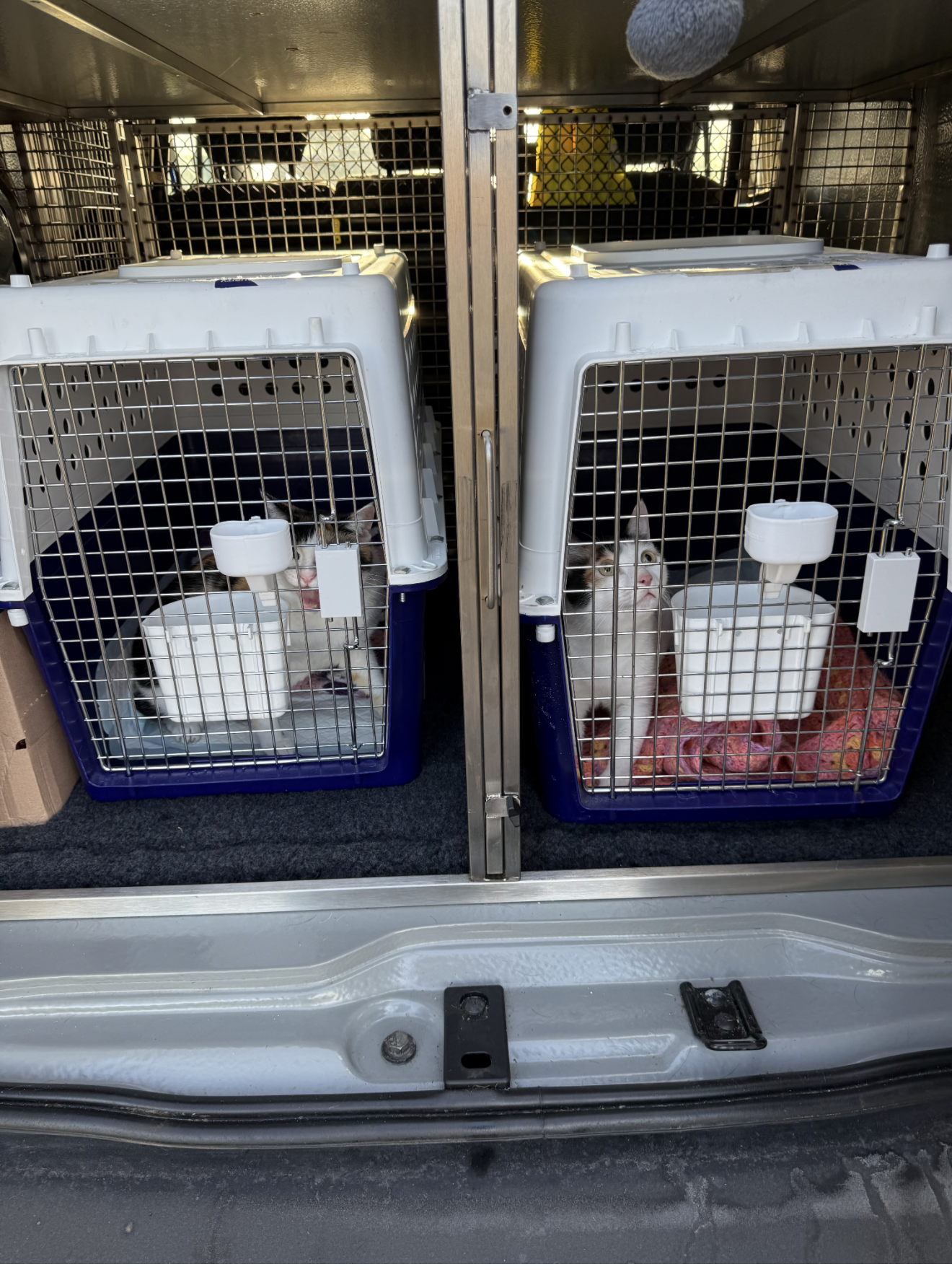
Our licensed vehicles and experienced drivers provide safe, welfare-focused transport throughout the UK, Ireland and Europe.
Not Sure Which Rules Apply?
If you are unsure whether your pet’s journey is commercial or non-commercial, contact DL Pet Transport before booking.
Please provide the type of animal, purpose of travel, collection and delivery countries, ownership details and the owner’s travel dates so the journey can be assessed correctly.
Pet-travel requirements can change, and the final documentation needed must always be confirmed for the individual journey.